Someone Copied My Podcast. Five Days Later, It Was Already Charting.
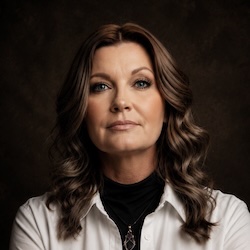
Within five days, an unauthorized copy of my podcast had appeared across multiple platforms, been configured for advertising monetization, and reached #121 on Apple’s U.S. Personal Journals chart.
My official podcast was #1.
More than 150 episodes. My artwork. My descriptions. My entire catalog. Even the ability to automatically import future episodes appeared to be enabled.
All of it was being distributed under a publisher I didn’t recognize and had never authorized.
I didn’t know this was possible.
I’m the creator and host of Notes From the Edge, a podcast exploring trauma, mental health, addiction, recovery, identity, and the human conversations we’re often afraid to have.
Four months after launching, we’d surpassed 500,000 downloads and achieved global chart rankings. This was my fourth attempt at podcasting. Years of mistakes, financial investment, and reinvention had finally led to something extraordinary.
Then, in October 2026, I discovered someone else was distributing my work.
And what I found was far bigger than a duplicate listing.
The Unauthorized Podcast Was Hosted on Spreaker
The copied podcast was hosted on Spreaker, an established podcast hosting and distribution platform. My official show was hosted separately through my podcast network, Gamut.
The unauthorized listing reproduced my podcast’s identity, artwork, descriptions, and episode catalog under a different publisher.
But the part that concerned me most was the apparent automatic importing of new episodes.
This wasn’t simply someone downloading a few recordings and uploading them somewhere else.
The information we uncovered indicated that the unauthorized account had been configured to continue importing episodes as I published them.
And the duplicate wasn’t staying on Spreaker.
It was already appearing on Apple Podcasts, Spotify, and other podcast sites. It was spreading like a spiderweb through the distribution ecosystem, creating multiple pathways for listeners to encounter an unauthorized version of my work.
I started wondering how many places it had reached before I even knew it existed.
Spreaker’s own RSS Feed Importer documentation explains that users can import an existing podcast’s episodes and metadata using its RSS feed. As highlighted here, the platform also supports automatically importing future episodes.
For legitimate podcast owners changing hosting providers or expanding distribution, this is useful technology.
But my experience raises an important question.
What safeguards ensure that the person importing a podcast actually owns it?
The documentation describes the import process. It doesn’t establish what ownership verification was performed in my particular case.
I cannot independently confirm the precise method used to create the unauthorized account, what checks were performed behind the scenes, or whether any existing safeguards were bypassed.
What I can establish is that my podcast appeared on another hosting platform without my authorization, using my content and identity, with indications that automatic importing had been enabled.
This isn’t the first time the podcasting industry has faced questions like these.
In Oct 2020, Podnews published How to pirate someone else’s podcast onto Anchor, documenting how the platform’s importing process could be used to reproduce podcasts without the original creator’s permission. In Sep 2021, Podnews followed with guidance on how to report a pirated podcast.
Six years after that original investigation, we’re still talking about podcast ownership verification and unauthorized distribution.
A publicly accessible RSS feed should not be mistaken for permission to reproduce and distribute someone else’s intellectual property.
And in my case, there was another concern.
The unauthorized account appeared to be configured for advertising monetization.
I have no evidence that advertising revenue was actually collected. But the apparent monetization setup made the situation even more troubling.
Someone wasn’t simply copying my podcast.
They had created another distribution channel for it.
Five Days Later, They Were Already Ranking
When I checked Apple’s U.S. Personal Journals chart, the unauthorized show had reached #121.
My official show was #1.
Let that sink in.
Within approximately five days, an unauthorized copy of my podcast had become visible on the same chart as the original show.
Around that time, my official download numbers dropped dramatically, my chart positions fluctuated, and I experienced a suspicious influx of one-star reviews.
Those events concerned me enormously.
But there’s an important distinction between what I documented and what I can prove.
I documented the unauthorized listings, copied content, chart position, and information concerning the duplicate account’s distribution and monetization setup.
I cannot conclusively attribute every lost download, ranking change, or negative review to that account.
There is, however, a legitimate technical issue worth examining.
Spreaker’s published documentation explains that when episodes are imported, their audio files are copied to Spreaker’s servers. Subsequent plays through that infrastructure are counted in Spreaker’s statistics rather than the original hosting provider’s reporting.
That means listening activity involving an imported copy can occur outside the original creator’s analytics.
It doesn’t establish how many downloads my podcast may have lost, or whether every change I experienced was connected to the unauthorized copy.
But it illustrates why this matters.
We’re not just talking about someone using your artwork or duplicating your show description.
We’re talking about the possibility of audiences consuming your intellectual property through a distribution system you neither authorized nor control.
And potentially without you knowing it.
My Network Acted. But What About Everyone Else?
Fortunately, I wasn’t navigating this alone.
My podcast network, Gamut, immediately mobilized.
Legal and copyright complaints were initiated, platforms were contacted, and within approximately 24 hours, a major unauthorized listing had been removed.
Their response was extraordinary.
But the incident didn’t end with a single takedown.
We still had to consider the other directories and podcast sites where the duplicate had appeared. Removing one listing doesn’t necessarily mean every copy has disappeared from the distribution ecosystem.
That’s the problem with how podcast distribution works.
One unauthorized feed can spread across multiple services, and each additional listing may require investigation.
My network had the experience, relationships, and resources to respond quickly.
But what about the independent podcaster recording in a spare bedroom?
The creator without legal representation, a network, or anyone monitoring their intellectual property?
How would they even know this was happening?
And who would help them stop it.
Five Things to Take With You
If you own a podcast, here’s what I want you to know from my experience.
1. Lock Your Podcast’s RSS Feed. Today.
I didn’t even know this protection existed until we began investigating.
Many podcast hosting providers offer a feature called Feed Lock, Podcast Lock, or Lock Feed from Transfer.
Check your hosting account’s podcast or RSS settings.
If you can’t find it, ask your hosting provider whether it supports the Podcasting 2.0 podcast:locked tag and how to enable it.
When set to yes, the tag tells participating hosting platforms (including Spreaker) that attempts to import the feed should be rejected.
It’s not an absolute technical barrier, and it cannot prevent every form of unauthorized copying. Its effectiveness depends on platforms respecting it.
But it’s a layer of protection every podcaster should understand.
2. Search for Your Podcast as If Someone Else Owns It.
Don’t just search your title.
Look at episode descriptions, artwork, publisher information, hosting platforms, and unfamiliar RSS feeds.
Check Apple Podcasts, Spotify, Spreaker, and other podcast directories.
One unauthorized feed can spread across multiple platforms. Finding one duplicate doesn’t mean you’ve found them all.
And don’t assume your show is safe simply because your official listing is still there.
Mine was sitting at #1 while the unauthorized version was charting at #121.
3. Pay Attention to Changes in Downloads and Distribution.
Sudden declines in downloads deserve investigation.
Review your hosting analytics, directory listings, publisher information, and any unexpected changes in audience activity.
A download decline alone doesn’t prove infringement.
Neither does a ranking change.
But when those changes coincide with unfamiliar listings or copied content, they deserve attention.
Your episodes publishing normally doesn’t mean someone else isn’t distributing them.
4. Preserve Evidence and Report It to the Hosting Provider.
Before confronting anyone or requesting removal, save what you can.
Capture screenshots, URLs, RSS feed addresses, publisher names, chart positions, dates, and any indications of unauthorized advertising.
Document facts rather than assumptions.
If you discover a duplicate, identify the platform hosting the unauthorized audio and contact its copyright or abuse-reporting team.
As the Podnews reporting guide suggests, addressing the source hosting provider can be particularly important because removing the underlying feed may affect its availability across multiple directories.
If the content remains available elsewhere, contact those platforms directly as well.
And preserve your evidence before listings disappear.
5. Work With Someone Who Understands Podcast Protection.
Work with somebody like PodProtect™, which I founded. It understands podcast ownership, platform reporting, and takedown procedures.
My podcast network, Gamut, immediately mobilized when my content was copied, and that rapid response made an enormous difference.
Independent creators should know where to turn before something happens.
Understanding how to identify unauthorized feeds, document infringement, contact the correct platforms, and follow an incident through to resolution shouldn’t require an entire legal department.
Every creator deserves access to knowledgeable support when their intellectual property is threatened.
The Bigger Question Is Who Protects the Creator?
We spend enormous amounts of time teaching podcasters how to grow.
How to rank. How to attract sponsors. How to build audiences. How to monetize.
But how often do we talk about protecting what we’ve already built?
I never imagined someone could copy my entire podcast, establish another distribution feed, apparently configure it to import future episodes, prepare it for monetization, and begin charting within five days.
Yet that’s what I discovered.
And there are questions I still want answered.
What responsibility does a hosting platform have to verify that someone actually owns the podcast they’re importing?
Should possession of a publicly available RSS feed be enough to establish a new copy of someone else’s show?
What happens when that unauthorized feed starts spreading through podcast directories?
And who is responsible for stopping that distribution once it begins?
These are not allegations about what Spreaker knew, intended, or deliberately permitted in my case. I don’t have evidence to establish those things.
They’re questions about safeguards, accountability, and whether our existing systems adequately protect the people creating the content.
I want legitimate hosting and distribution technology to remain accessible. I also want creators to have meaningful protection against unauthorized copying.
Those two things shouldn’t be mutually exclusive.
This experience was frightening. It happened while my podcast was experiencing extraordinary growth, and it forced me to confront a vulnerability I didn’t even know existed.
But the problem is bigger than my show.
If an unauthorized copy of a podcast with more than 150 episodes and an established audience can appear and start charting within days, what does that mean for creators who may never discover their content has been copied?
Podcasting is built on making our voices accessible.
But accessibility should never be mistaken for permission.
And creators shouldn’t have to discover that distinction after someone else has taken their work.
Listen